Exclusive Discounts on Premium Book Printing! High-Quality Printing Solutions for Authors & Publishers Worldwide

Soft Cover/Paper back Book Printing Services
Premium Paperback & Softcover Book Printing Services
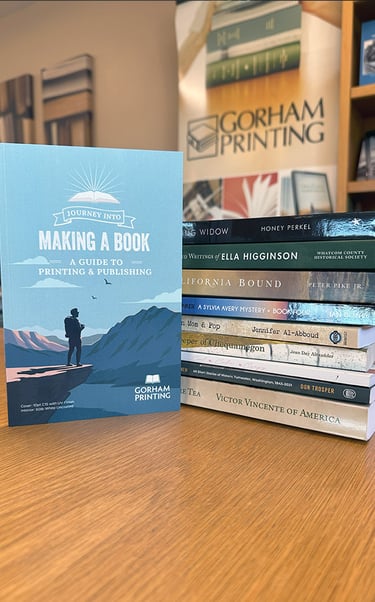
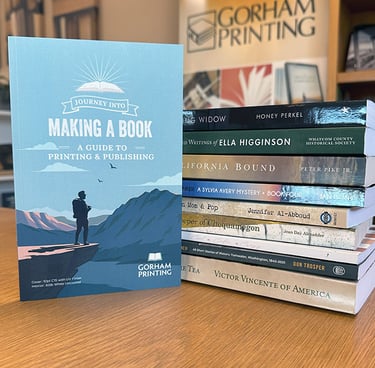
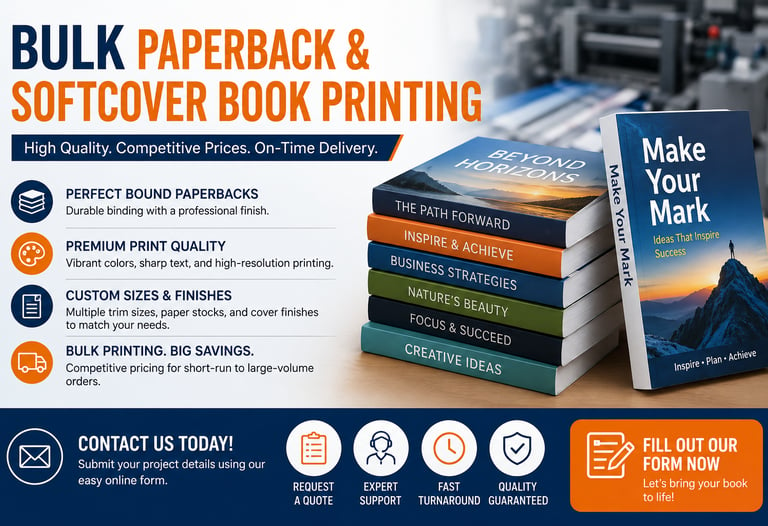
Paperback and softcover books offer the perfect combination of affordability, flexibility, and professional presentation, making them one of the most popular choices for authors, publishers, educators, and businesses. At USA Print On Demand, we specialize in premium paperback book printing using advanced perfect binding technology that delivers clean finishes, durable construction, and a polished appearance. Our custom softcover printing options include matte or glossy covers, custom trim sizes, premium paper stocks, embossing, foil stamping, lamination, and full-color or black-and-white interiors. Whether you are printing novels, educational books, journals, catalogs, manuals, or comic books, we provide tailored printing solutions designed to enhance your publication and strengthen your brand.
With more than 20 years of commercial printing experience and state-of-the-art 4-color and 8-color offset printing presses, USA Print On Demand delivers exceptional print quality, fast turnaround times, and competitive factory-direct pricing for every project. Our eco-friendly soy-based inks, FSC-certified paper options, and automated binding systems ensure consistent, professional results for both short-run and high-volume orders ranging from 25 to 50,000 copies. From independent self-publishing projects to large-scale corporate and retail book production, we help clients create durable, visually impressive paperback books that readers value and remember.


Softcover/ paperback Novel Printing
Softcover/ paperback Fantasy, Romantasy Printing

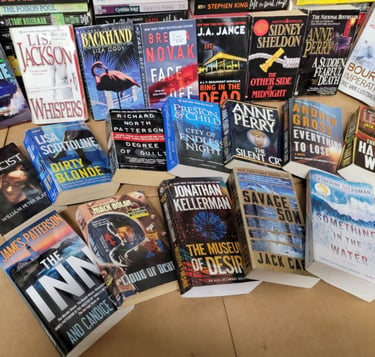







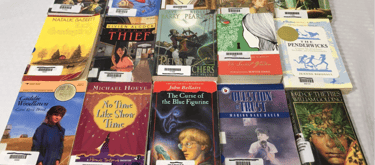
Softcover/ paperback Thrillers & Mystery Printing
Softcover/ paperback Literary Fiction Printing
Softcover/ paperback Historical Fiction Printing
Softcover/ paperback Memoirs & Biographies Printing
Softcover/ paperback Young Adult (YA) Fiction Printing
Professional Paperback & Softcover Book Printing Services
At USA Print On Demand, we have been professionally printing paperback and softcover books for decades, delivering high-quality results for authors, publishers, businesses, educators, and creative brands. Our paperback book printing services include perfect bound books with matte or glossy covers, custom trim sizes, premium paper options, and full-color or black-and-white interiors. Whether you are producing novels, educational books, catalogs, manuals, journals, workbooks, comic books, or marketing publications, we provide durable and professionally finished softcover books tailored to your exact specifications.
Using advanced offset and digital printing technology, we ensure sharp text, vibrant color reproduction, and consistent print quality across every order. Our automated binding systems allow us to efficiently handle both short-run and high-volume paperback printing projects while maintaining fast turnaround times and competitive factory-direct pricing. With decades of experience, eco-friendly printing materials, and a strong commitment to customer satisfaction, USA Print On Demand delivers reliable paperback printing solutions designed to make your publication stand out.
Get in touch with us
Frequently asked questions
What factors affect the cost of softcover book printing?
A: Key pricing factors include: page count (more pages = higher cost), trim size (standard sizes are more economical than custom), color vs. black-and-white interior, cover finish (gloss, matte, soft-touch, foil, etc.), paper weight and stock, binding type (PUR costs slightly more than standard perfect binding), and order quantity (larger print runs significantly reduce the per-unit cost).
What is the difference between 'softcover', 'paperback', and 'perfect bound'?
A: These terms are often used interchangeably, but there are subtle distinctions. 'Paperback' refers to the cover material — a flexible, thin paper cover. 'Softcover' also refers to the cover material and is essentially the same as paperback. 'Perfect bound' refers specifically to the binding method: pages are collated, the spine edge is ground, and a strong adhesive is applied to hold them together inside the cover. Both paperback and softcover books are typically produced using perfect binding.
What types of books are best suited for softcover / paperback printing?
A: Softcover printing is ideal for novels, fiction and non-fiction books, textbooks, workbooks, guides, manuals, handbooks, catalogs, pocketbooks, trade books, mass-market paperbacks, children's books, and comic books. It is the format most commonly found in retail bookstores and online marketplaces and is the top choice for self-publishing authors seeking affordability and wide distribution.
What are the key advantages of softcover book printing?
A: Softcover books offer several significant benefits: they are more affordable to produce than hardcover books, lightweight and easy to ship, quicker to produce (typically 5–10 business days), portable and reader-friendly, and available in a wide range of sizes and finishes. They are ideal for high-volume print runs, self-publishers, and projects with tight budgets.
Are there any disadvantages to softcover / paperback printing?
A: Yes. Softcover books are more prone to wear, bending, and moisture damage than hardcover editions, especially in high-traffic or long-term use environments. The cover can crease or scuff with heavy handling. They also carry a slightly lower perceived prestige compared to hardcover books, though this perception has decreased significantly as print quality has improved.
What binding options are available for softcover / paperback books?
A: The most common binding options for softcover books include: Perfect Binding (standard glue, ideal), PUR Binding (polyurethane reactive adhesive, stronger and more flexible, suitable for books with heavier paper or frequent handling), Sewn Perfect Binding (pages physically stitched before gluing for superior durability), and Saddle Stitch (stapled, best for booklets under 64 pages). Perfect binding is the industry standard for most softcover books.
Can I get a softcover book with a full-color cover and black-and-white interior?
A: Yes. This is one of the most popular and cost-effective combinations. Most softcover book printers in the USA allow you to print a full-color cover while the interior pages are printed in black and white. This significantly reduces cost compared to full-color interiors, making it the standard approach for novels, non-fiction, and textbooks.
How much does softcover / paperback book printing cost in the USA?
A: Softcover book printing costs in the USA vary based on page count, trim size, paper stock, color vs. black-and-white printing, and order quantity.
What are the key advantages of softcover book printing?
A: Softcover books offer several significant benefits: they are more affordable to produce than hardcover books, lightweight and easy to ship, quicker to produce (typically 5–10 business days), portable and reader-friendly, and available in a wide range of sizes and finishes. They are ideal for high-volume print runs, self-publishers, and projects with tight budgets.
How does print quantity affect the per-unit cost of softcover books?
A: Print quantity has a major impact on per-unit cost. Fixed pre-press and setup costs are spread across all copies, so larger runs result in dramatically lower per-book prices. Jumping from 100 to 250 copies often reduces the per-unit cost nearly in half. Moving from 200 to 1,000 copies can reduce per-book cost by over 50%. Price break points commonly occur at 100, 250, 500, and 1,000 copies.
What printing method is more cost-effective for softcover books — digital or offset?
A: Digital printing is more cost-effective for short runs (under 500 copies) because there are no plate setup costs and turnaround is much faster. Offset printing becomes significantly more economical at 1,000 or more copies, delivering the lowest per-unit cost. For most self-publishing authors, digital short-run printing offers the best balance of cost, quality, and flexibility below the 1,000-copy threshold.
© 2018–2026 usaprintondemand.com. All Rights Reserved. | USA Print-on-Demand Services | Terms & Conditions | Privacy Policy
MENU
email:
contact us
support@usaprintondemand.com

