Exclusive Discounts on Premium Book Printing! High-Quality Printing Solutions for Authors & Publishers Worldwide

Hardcover Book Printing
Professional Quality Case Bound Book Printing


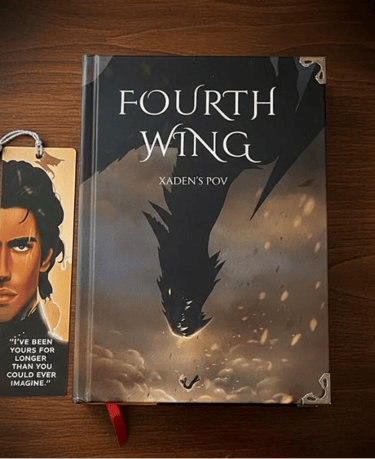
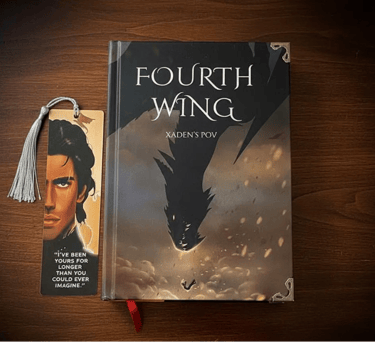
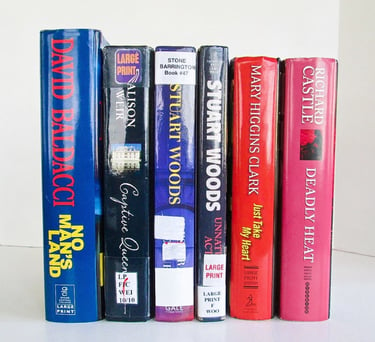
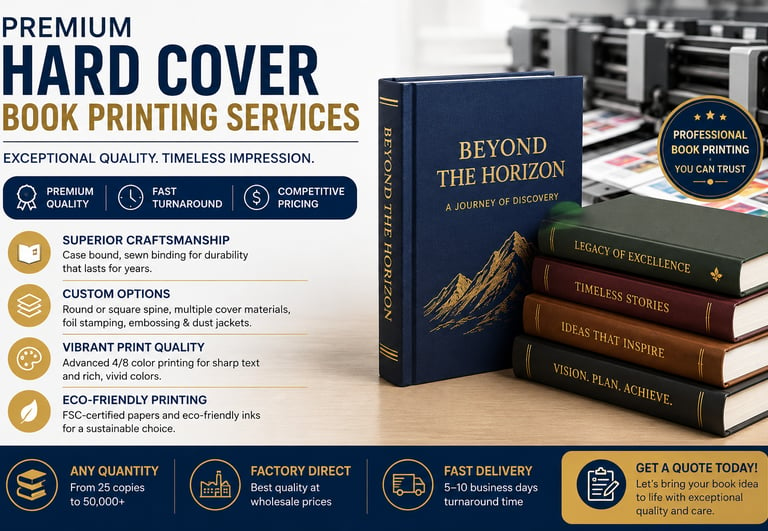
A hardcover book, known as case-bound, hardback, or sewn binding, represents the gold standard in durable, elegant printing. At USA Print On Demand, our hardcover books feature both glued and sewn binding, allowing them to lay flat when opened and withstand years of regular use. We offer custom options including round or square spines, multiple cover materials, foil stamping, embossing, and dust jackets. With over 20 years of printing experience and state-of-the-art 4/8 color offset presses, we deliver exceptional quality for every type of hardcover project.
We combine competitive factory-direct pricing, eco-friendly inks and FSC-certified papers, fast turnaround (5–10 business days), and truly customer-centric service. Whether you need 25 copies or 50,000, our automated Swiss Martini binding lines ensure consistent, professional results across the entire run. From novels and children's books to coffee table editions and corporate reports, we print hardcover books that impress readers and last for generations.
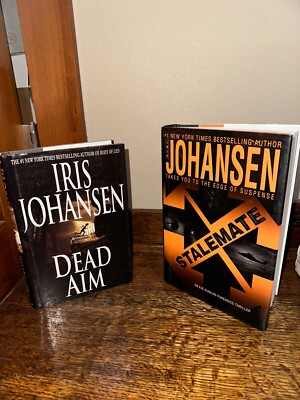





Hardcover Novel Printing
Hardcover Fantasy, Romantasy Printing
Hardcover Thrillers & Mystery Printing
Hardcover Literary Fiction Printing
Hardcover Historical Fiction Printing


Hardcover Memoirs & Biographies Printing
Hardcover Young Adult (YA) Fiction Printing
We have been printing almost every type of book for decades.
At USA Print On Demand, we print virtually every type of book imaginable. Our capabilities include hardcover books (case bound, sewn binding, round or square spine), paperback books (perfect bound, glossy or matte covers), children's books (vibrant colors, thick pages, rounded corners), board books (extra-thick chipboard, non-toxic, indestructible for little hands), catalogs (high-volume, quick turnaround, glossy or matte finishes), spiral & wire-o bound books (lay-flat functionality for workbooks, manuals, and cookbooks), coffee table books (large format, luxury paper, high-end image reproduction), and photo books (archival quality, professional-grade photo printing). Whether you're an author, publisher, business, or creative brand, we have the machinery and expertise to bring your project to life.
Get in touch with us
Frequently asked questions
What is hardcover book printing?
A: Hardcover book printing, also known as case binding or casebound printing, is a premium book production method that features a rigid protective cover made from a thick grayboard core wrapped in customizable laminated material. The pages are sewn or glued into the cover, offering maximum protection, a professional shelf-ready look, and excellent longevity.
What types of books are best suited for hardcover printing in the USA?
A: Hardcover printing is ideal for memoirs, history books, photography books, art books, coffee table books, children's books, yearbooks, special editions, collector's editions, academic textbooks, corporate portfolios, and annual reports. It is the premium choice for any project you want to preserve long-term.
What are the benefits of choosing hardcover book printing over paperback?
A: Hardcover books offer superior durability, a premium look and feel, excellent longevity, and strong shelf appeal. They convey a high-end, professional impression and are resistant to wear and tear. They are ideal for keepsake editions, gift books, and any project where presentation and lasting quality matter.
Are there any drawbacks to hardcover book printing?
A: Yes. Hardcover printing is more expensive than paperback or softcover options — typically 3 to 5 times the cost per copy. Hardcover books are also bulkier and heavier, which can increase shipping costs. They are generally not ideal for books that need to lay completely flat, or for projects requiring direct mail distribution.
What binding styles are available for hardcover books?
A: US printers typically offer several hardcover binding styles: Case Binding (traditional sewn or glued book blocks with hard covers), PUR Binding (polyurethane reactive adhesive for a modern, durable finish), and Smyth Sewn Binding (premium sewn signatures for extra longevity that also allows the book to lay flat when open). PUR binding is one of the most popular options for its strength and durability.
Can I add a dust jacket to my hardcover book?
A: Yes. Most US hardcover book printers offer optional dust jacket printing. Dust jackets add an extra layer of visual appeal and protection, and are commonly used for retail and gift editions. Full-color printing is available on the front, back, and spine of the dust jacket.
What cover materials are available for hardcover printing?
A: Common hardcover cover options include printed case wrap (full-color printed paper laminated over the board), cloth or linen covers, and faux leather covers. Many printers also offer specialty finishes such as foil stamping, spot UV coating, and embossing for a premium, customized appearance.
What lamination or finish options are available for hardcover books?
A: Most US hardcover printers offer gloss or matte lamination on the outer cover. Gloss gives a vibrant, shiny look, while matte provides a subtle, elegant finish. Additional specialty options may include soft-touch lamination, spot UV, foil stamping, and embossing, depending on the printer.
What factors affect the cost of hardcover book printing?
A: Key cost factors include: binding type (hardcover is the most expensive), page count, trim size, paper weight and stock, color vs. black-and-white interior printing, cover finish and specialty treatments (foil, embossing, dust jackets), and order quantity. Ordering more copies significantly reduces the per-unit cost — ordering 1,000 copies can cut your per-book cost by over 50% compared to a short run of 200 copies.
Is hardcover printing more expensive than softcover printing?
A: Yes. Hardcover printing is generally 3 to 5 times more expensive per copy than softcover (perfect bound) printing due to the additional materials and production steps involved.
© 2018–2026 usaprintondemand.com. All Rights Reserved. | USA Print-on-Demand Services | Terms & Conditions | Privacy Policy
MENU
email:
contact us
support@usaprintondemand.com

